
A Parent’s Guide to the First Year of High School
Your kid is starting high school! Are you ready? Am I ready?!
This September feels a little different in our house.
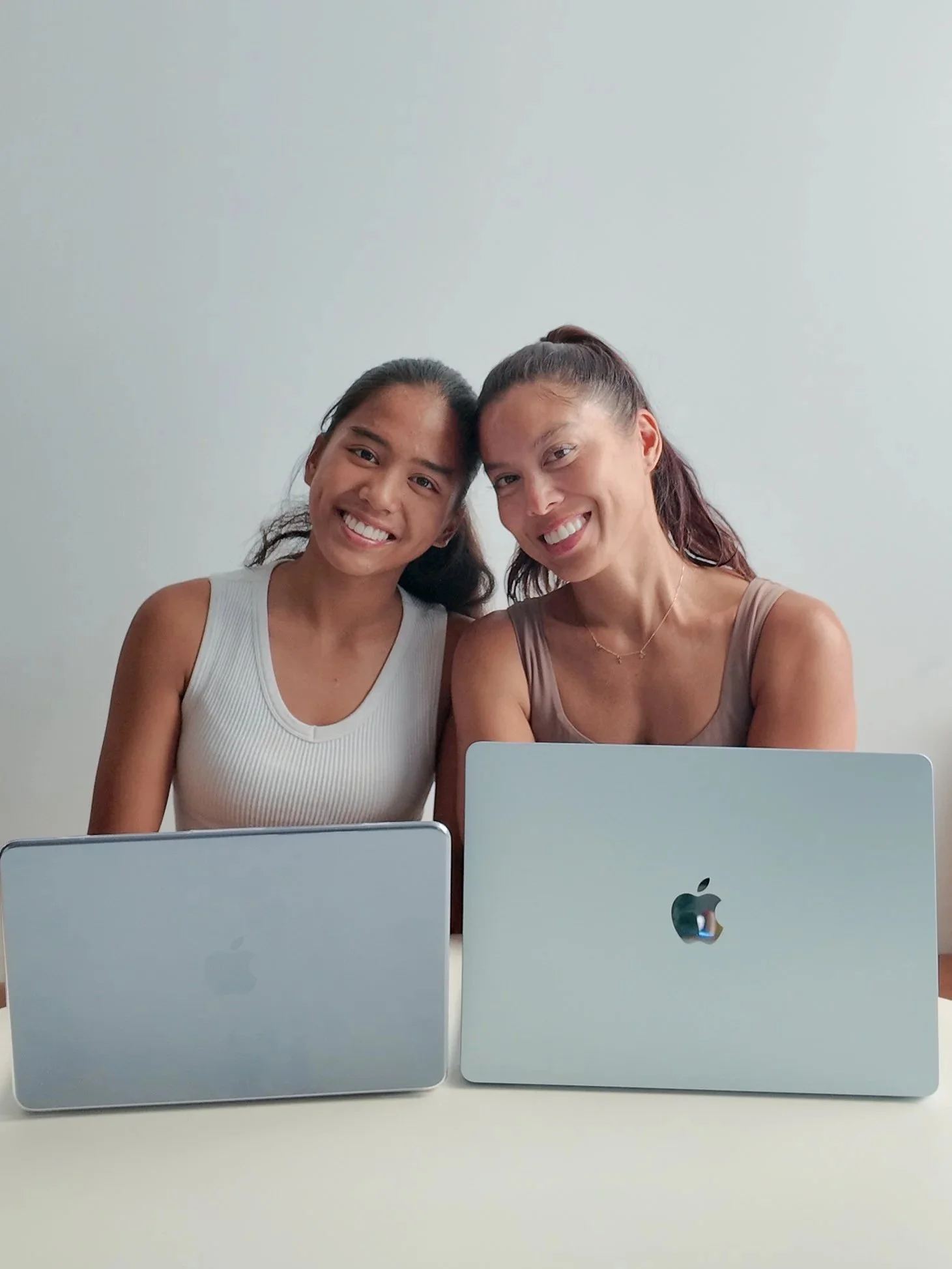
My daughter Harper is starting her first year of high school, and while she’s the one figuring out a completely different routine, I’ve realized this is a transition for me as a parent, too.
High school is one of those milestones that makes you very aware that your child is growing up.
They need you, but differently.
There’s more independence, more responsibility, new friendships, harder schoolwork, and probably a few challenges they’ll need to navigate on their own.
As parents, our instinct is often to make things easier for our kids. But I’m learning that supporting a teenager sometimes means resisting the urge to solve everything for them.
So, as we head into this new chapter, these are a few things I’m keeping in mind.
1. Ask what they need instead of assuming
“Are you nervous?” “Do you know anyone in your classes?” “Have you figured out where everything is?”
We can have a lot of questions. But our kids may not always want to talk about high school when we want to talk about high school. Instead of immediately offering advice, try asking:
“Do you want my help, or do you just want me to listen?”
It’s such a simple question, but it gives them some control over the conversation. Sometimes they’ll need our advice. Other times, they might just need a safe place to vent without us trying to fix the situation.
2. Let them figure some things out
Forgot an assignment? Didn't manage their time well? Left something at home?
As tempting as it can be to swoop in, high school is also an opportunity for kids to experience small, manageable consequences while they still have us there to support them.
That doesn't mean leaving them completely on their own. It means gradually moving from managing their life to helping them learn how to manage it themselves. I admit, this one will be a tough one for me. But I’m committed to being different this year. I’m going to let her email the teacher. Let her organize their schedule. Let her pack their own bag.
I know these kids might not do everything exactly how we would and that's okay.
3. Help them build systems, not just better grades
High school brings more classes, teachers, assignments, activities, and deadlines. Rather than focusing only on the marks that come home, we can help our kids develop the skills that will eventually help them far beyond school.
Things like keeping a calendar, breaking large assignments into smaller tasks, preparing the night before, and figuring out when and where they work best can make the transition much less overwhelming.
Instead of asking only, “What did you get?”, we can also ask: “How did you prepare?”
The habits they're building matter just as much as the grade.
4. Remember that the social side can be just as big as the academic side
Starting high school isn't only about harder classes. Friend groups change. Kids meet new people. There are new social dynamics to navigate, and fitting in can suddenly feel incredibly important.
We may look at a situation and think it's insignificant, but to a teenager experiencing it for the first time, it can feel enormous. I am going to be better at trying not to understand every friendship issue but still be there to listen and take her feelings seriously.
Sometimes the most helpful response is simply: “That sounds really hard.”
5. Give them space, but stay interested
Teenagers naturally want more privacy and independence, and that's healthy. But independence doesn't mean they stop needing connection with us.
The trick, I think, is finding ways to stay involved without making every interaction feel like an interrogation.
Ask about the funny thing that happened at lunch. Learn their friends' names. Drive them somewhere and let the conversation happen naturally. Watch the show they're suddenly obsessed with.
Not every meaningful conversation needs to start with, “So, how was school?”
I have learned over the years that the connection happens when I’m not trying so hard to create it.
6. Don't make every conversation about performance
High school can quickly become about marks, university, sports, extracurriculars, and what's coming next. But they're still kids. They need time to rest, see their friends, do absolutely nothing, and have interests that don't need to become achievements.
Of course I want Harper to work hard and take school seriously. But more than anything, I want her to know that how proud I am of her isn't determined by a report card.
That's something I want to make sure she hears—not just something I assume she knows.
7. Create a home they can come back to
We can't control what happens during their school day. There will probably be great days, awkward days, disappointing days, and days when they walk through the door and don't want to tell us anything at all.
What we can control is what it feels like to come home.
A place where they can eat, decompress, complain, laugh, be quiet, ask for help, or simply close their bedroom door for a while.
As their world gets bigger, I want home to remain the place where they never have to wonder whether they belong.
And maybe parents need a little grace, too.
I'll admit, watching your child enter high school brings up a lot of emotions.
There's pride because you get to watch this person you've raised become more independent.
There's excitement for everything they're about to experience.
And there's also that tiny part of you wondering how you got here so quickly.
I'm sure I'll get some things right and some things wrong over the next few years. Harper will probably teach me just as much about parenting a high schooler as I'll teach her about navigating high school.
Maybe that's the point.
Our job isn't to walk every step for them. It's to make sure they know we're still there when they need us.
So here's to the first day, the new routines, the friendships, the lessons, the inevitable growing pains—and this next chapter for both of us!!
To all the parents sending a child off to high school this year: what’s one thing you’re doing to help them through the transition? I’d love to hear what’s working in your family ✨
xo, Trisha
